15 Ways To Make Money Reselling Vintage & Thrift Finds

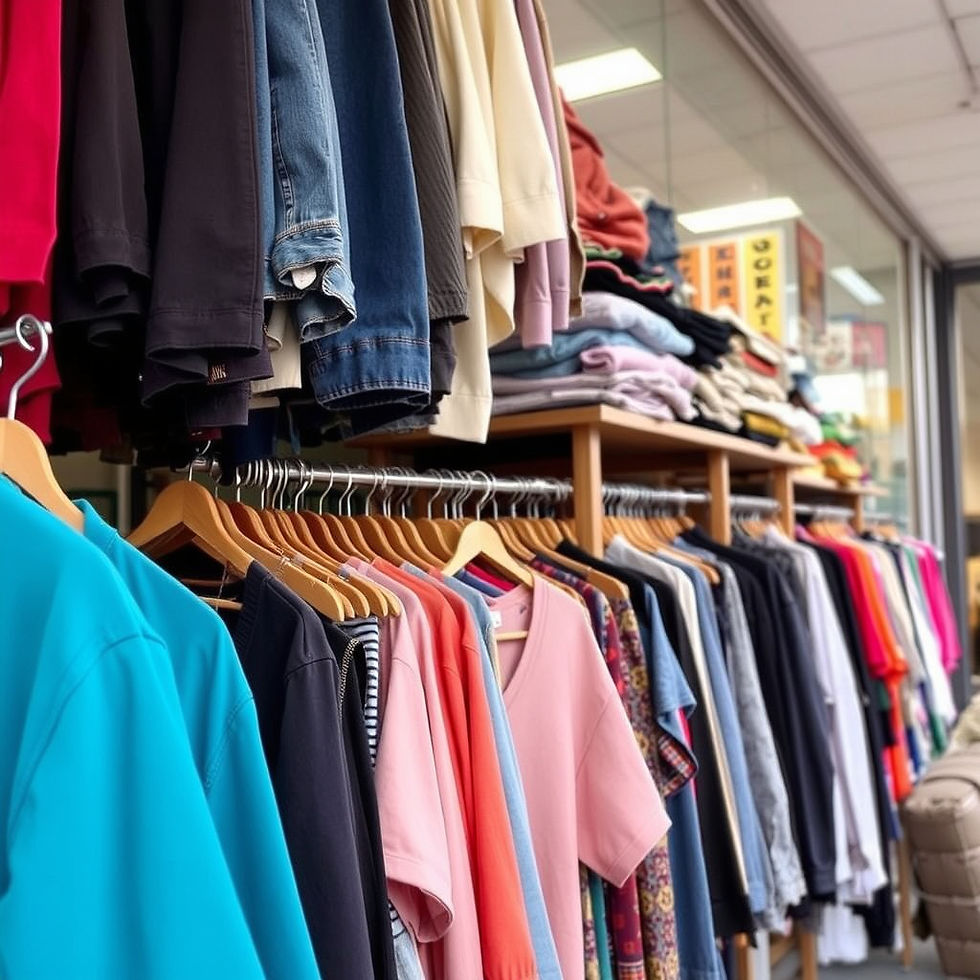
Secondhand isn't a fallback option anymore it's a real business model, and a growing number of people are turning thrifted and vintage finds into legitimate income. Whether you've got an eye for old band tees, a knack for spotting undervalued jewelry, or just a Saturday habit of digging through estate sales, there's a lane here for you.
The key is picking a lane that matches your time, your eye for detail, and how hands-on you actually want to be. Here are 15 ways to turn secondhand goods into real money.

1. Flip clothing on Etsy or Depop
Vintage and grunge-aesthetic clothing has a dedicated audience that actively searches for it, rather than stumbling onto it. A single well-photographed, well-described piece from a thrift rack can sell for many times what you paid the markup comes from curation, not just the item itself.
Getting the basics right matters more than volume here. A clean, consistent visual brand a simple logo, a coherent color palette, product photos that don't look like they were taken on a bad phone in bad light will outperform a messier shop with twice the inventory.

2. Sell on Poshmark
Poshmark's audience skews toward more mainstream secondhand fashion than pure vintage. It's a solid second (or third) channel once you've got your listing process down somewhere else, but treat each platform's audience as genuinely different rather than copy-pasting the same listing everywhere.
3. Source from estate sales, not just thrift stores
Thrift stores get picked over fast, especially in resale-heavy cities. Estate sales are slower-moving and often have less competition, particularly on the second or third day of a sale when prices get marked down.
4. Specialize in one aesthetic or era
Trying to sell "vintage, generally" makes it hard to build a recognizable shop. Picking a specific lane 90s grunge, Y2K, prairie-core, workwear gives your branding, your photography style, and your marketing something consistent to build around, and it's easier for the right buyer to find you.
5. Sell digital products alongside physical inventory
Not every part of a resale business needs a trip to the post office. Digital products — printables, templates, style guides can run in parallel with your physical listings, in the same aesthetic, without adding to your shipping workload.
6. Research platform rules before you expand
If you're thinking about moving from one marketplace to another — Etsy to Amazon, for instance don't assume the rules transfer. Clothing and accessories categories often require an approval process, and different platforms carry different risk around specific brand names, especially with resale and secondhand goods. A little research up front saves a lot of trouble later.
7. Resell books
Old textbooks and used books aren't glamorous, but they're a low-effort, low-cost way to generate cash from things that are otherwise just sitting on a shelf. Several sites will compare buyback offers across multiple vendors so you're not stuck taking the first number you see.
8. Sell unused or outgrown jewelry
Jewelry resale platforms that run items through an auction process, rather than a flat buyback offer, tend to net sellers more especially for pieces with any real material value.
9. Flip furniture
Furniture flipping takes more space and more effort than clothing, but the margins can be strong, particularly on solid-wood pieces that just need a coat of paint or new hardware.
10. Build a Pinterest presence for your shop
Pinterest functions less like social media and more like a visual search engine which makes it a strong fit for anything visually driven, including a vintage or aesthetic-focused shop. Consistent, well-tagged pins can drive steady traffic long after you've posted them.
11. Write about what you're learning
If you're building a resale business, writing about the process sourcing, pricing, branding decisions can become its own small audience and, eventually, its own income stream through affiliate links or your own products.
12. Sell props and set pieces to stylists
Vintage items with a specific look old cameras, typewriters, retro kitchenware sometimes sell better to photographers and stylists than to everyday buyers. It's a smaller market, but often a higher-margin one.
13. Offer a curation or personal shopping service
Once you've built an eye for vintage, some people will pay you directly to source specific pieces for them, rather than sell them something already in your shop.
14. Cross-list, but track your inventory carefully
Listing the same item across multiple platforms increases visibility, but selling something twice because your inventory wasn't synced is a fast way to damage your reputation with buyers. Whatever system you use, make it a non-negotiable step, not an afterthought.
15. Reinvest before you scale
It's tempting to take early profit and expand fast more inventory, more platforms, more everything. But the shops that hold up tend to nail the fundamentals (branding, photography, buyer communication, policies) on one platform first, then expand deliberately rather than all at once.
A few things worth keeping in mind
Know your platform's age and category rules. Some marketplaces have age minimums for account holders, and clothing categories in particular sometimes require an approval or verification process before you can list.
Don't skip the unglamorous setup work. Buyer messaging, return policies, and clear photos matter more to your reputation than people expect going in.
Watch your margins, not just your sales. A high sales count doesn't mean much if sourcing costs, platform fees, and shipping are eating most of the profit.
Reselling vintage isn't passive income, and it's not going to fund a lifestyle overnight. But for anyone with a genuine eye for it, it's one of the more sustainable ways to turn a hobby into something real.
Comments